
SECONDARY SCHOOL AND COLLEGE STUDENTS
A session young people actually engage with, because it doesn’t feel like a session.
Young people are dealing with more than most adults remember. Relationships, online life, pressure, identity. It’s a lot to navigate. This session meets them in the middle of all of it.

What this session is
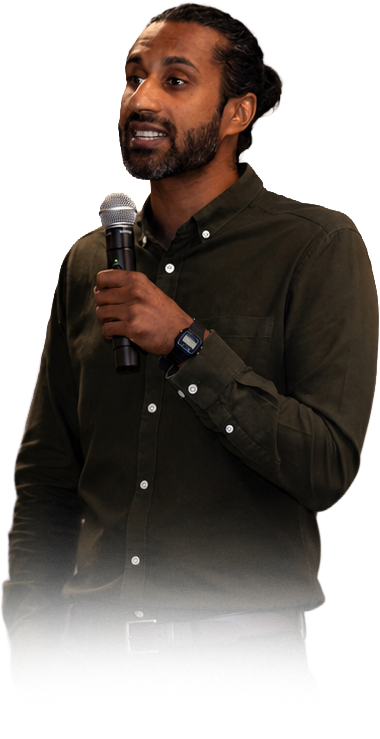
A session for secondary school and college students built around lived experience, real stories, and conversations that feel real to them.
It’s a conversation, meeting them where they are, in language they understand, without talking down or over-explaining.
That’s what makes the difference, it respects how aware they already are.
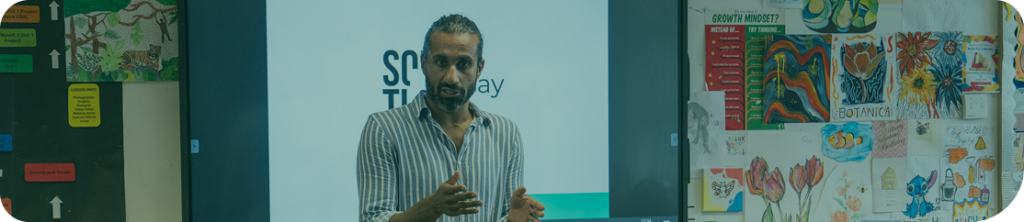
Schools cover these topics well. This isn’t about replacing that.
It’s about what changes when the person at the front has lived it. Young people engage differently when they sense something is coming from real life, not a lesson plan.
Why a different voice makes a difference
A bit about my story
When I was eight years old, I was sexually abused by a thirty-five-year-old man who was known to my family. It continued for around a year. Nobody knew. I showed no signs.
I went on to have a career designing supercars for McLaren, work around the world, and build a life and network I’m proud of. And through all of it, I was carrying something I hadn’t yet been able to say out loud. I spoke up at twenty-seven and reported him to the police.
I share this story in pieces throughout the session, not all at once. Young people find it powerful, not because it’s dark, but because it’s real. Because it shows that abuse doesn’t always look the way people expect. And because it shows what speaking up, eventually, can look like.
What abuse and exploitation actually look like Including the ways it shows up that aren’t obvious. The friendliness. The gifts. The person who seemed nice. Not the stranger they were warned about.
Online and real world crossover. How platforms young people use every day can be part of how exploitation starts, and what that looks like in practice.
Healthy and unhealthy relationships What the difference actually feels like in the situations they’re already in, not just in theory.
Understanding your emotions before you act. I share directly from my own experience what can happen when anger drives a decision before you’re ready. It’s one of the most memorable parts of the session, and it gives young people a real reason to pause before reacting, in any situation, not just the ones covered in the session.
If someone tells you something young people are more likely to hear a disclosure from a friend than an adult is. This session covers what to do with that. Listen. Don’t dismiss it. And don’t stop there.
Your voice and your team. Who the trusted people in their life are, and how to use their voice when something doesn’t feel right. Including when a trusted adult isn’t available.
What the session covers
How the sessions work
The Year 7 and 8 session and the Year 9 to 13 session are different in approach. The content is adapted for the age group in the room so the conversations are relevant, not generic.
Every part of the session is handled with care. The content is direct but never gratuitous, and is always appropriate for the age group in the room. If you have specific concerns about content before booking, I’m always happy to talk them through.
Sessions are delivered in assembly format, addressing each year group individually. Typically one hour.
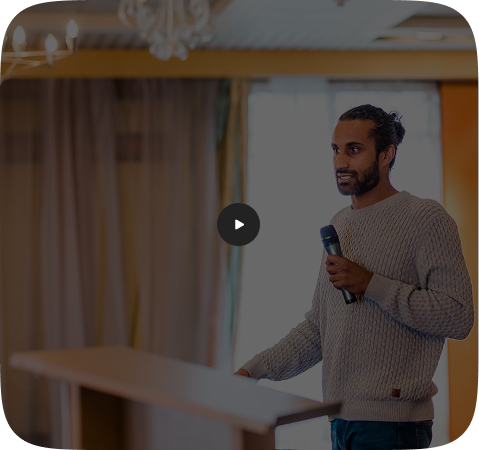
See the session in action
The best way to get a sense of how this works is to watch it. Below is a recording of a full session delivered to a Year 5 class. This allows you to see the style, energy, and structure of the session before booking.
A student might recognise something in what they’ve heard. They might want to talk. Your safeguarding team will be supported with guidance on how to handle anything that comes up, so you’re not left navigating that alone.
These sessions can surface things.
Beyond the classroom
Supporting students after the session is one part of a fuller visit. Schools often choose to pair the student session with a short staff training and a parent talk on the same visit, or arranged separately if that works better. The parent talk is different to the general parent information session on this site. It’s a focused conversation about what’s actually been covered with students that day, a little about my story, and what parents can do to carry the conversation on at home. It can be delivered in person or online, whatever suits your school. Ask about this when you get in touch.
What people say
Get in touch
If this feels right for your school or college
Get in touch below to find out more or start a conversation about booking a session.
Frequently asked questions
Is the content appropriate for my students?
Yes. The session is direct but always age-appropriate. I’ve delivered this to hundreds of young people across secondary schools and colleges and understand how to handle sensitive content with care. The Year 7 and 8 session and the Year 9 to 13 session are different in approach, so the conversations in the room are always right for the age group. If you have specific concerns before booking, I’m always happy to talk them through.
What's the difference between the Year 7 and 8 session and the Year 9 to 13 session?
Both sessions cover the core themes but the approach, language, and depth of the conversations are adapted for the age group. Year 7 and 8 focuses on building awareness and understanding in a way that feels accessible. Year 9 to 13 goes deeper, reflecting the more complex situations older students are likely to be navigating.
Does this session align with statutory safeguarding guidance?
Yes. The content is designed to complement and support the requirements set out in Keeping Children Safe in Education (KCSIE). If you’d like to talk through how the session aligns with your school’s specific safeguarding framework, I’m happy to have that conversation before you book.
What happens if a student discloses during or after the session?
These sessions can surface things, and that’s often a sign they’ve worked. I follow a clear safeguarding protocol and will always involve the appropriate member of staff if something comes up during the session. Your safeguarding team will also be supported with guidance ahead of time so you’re prepared for any conversations that happen afterwards.
Do staff need to be present during the session? Yes. I ask that a member of staff is present throughout. This supports the safeguarding protocol and means there is always someone on hand who knows the students if anything comes up.
Do staff need to be present during the session?
Yes. I ask that a member of staff is present throughout. This supports the safeguarding protocol and means there is always someone on hand who knows the students if anything comes up.
How long is the session and how many students can attend?
Sessions are typically one hour and delivered in assembly format. Each year group is addressed separately so the conversations stay relevant and focused.
What do we need to do to prepare?
What do we need to do to prepare? I send a pre-session pack ahead of the visit. This includes guidance for staff on what to expect, a script for introducing the session to students, and information for parents. Everything you need to feel prepared before I walk through the door. If you’d like to include a staff training or parent talk as part of the visit, that’s worth raising when you get in touch.
How much does it cost?
Pricing depends on the sessions you need and the structure of the day. Get in touch and I’ll put together something that works for your school.