
Professionals
Creating space to step back, reflect, and reconnect with the human impact of abuse
This session creates structured space for professionals to step back from the pace of their roles and reflect more deeply on the work they do. Rather than focusing on policy or procedure, it slows the process down to examine how repeated exposure to abuse cases can shape perception, judgement, and decision-making over time.
Why This Session Exists
The session is built around my own story, explored carefully and professionally as a case study.
I break the what happened into key stages, allowing participants to slow down, reflect, and consider what may have been noticed or missed at different points. Guided discussion supports analysis and professional insight, with clear boundaries around content and participation.
The session is interactive throughout, using a combination of group discussion, practical activities, audience participation, video, and varied delivery techniques to maintain engagement while supporting thoughtful reflection.
Session Length and Format
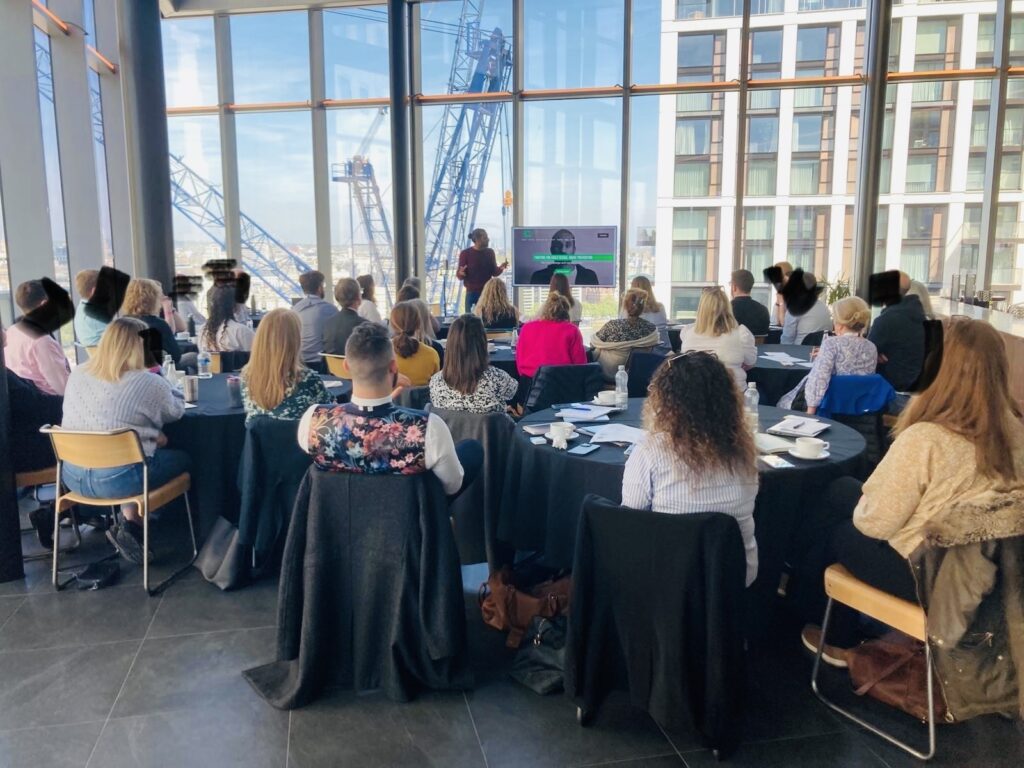
The session is delivered as a half day and is designed to be delivered in person, with a maximum of 30 participants.
This group size allows for meaningful audience participation and guided discussion, ensuring individuals remain engaged and involved throughout. Session length, format, and delivery can be adapted to suit organisational needs.
What Participants Take Back Into Practice
Participants commonly describe leaving the session with:
clearer perspective on familiar safeguarding issues
increased awareness of how repeated exposure can shape judgement
renewed sensitivity to nuance, communication, and decision-making
space for reflection that supports more thoughtful professional practice
The aim is not to change what professionals do, but to strengthen how they think, listen, and respond within the roles they already carry out.
